4000GS Hopper Grid Magnet
Description
Reviews
The 4000GS Hopper Grid Magnet is a high-efficiency magnetic separation device manufactured with food-grade stainless steel and premium rare earth magnets. Designed for direct installation inside hoppers, it effectively captures and removes ferrous metal contaminants from free-flowing bulk materials. This hopper grid magnet is widely applied in plastic processing, food production, chemical and pharmaceutical industries to protect processing equipment and ensure product purity.
Key Features of 4000GS Hopper Grid Magnet
- Available in 304 or 316L stainless steel construction for excellent corrosion resistance and hygienic performance
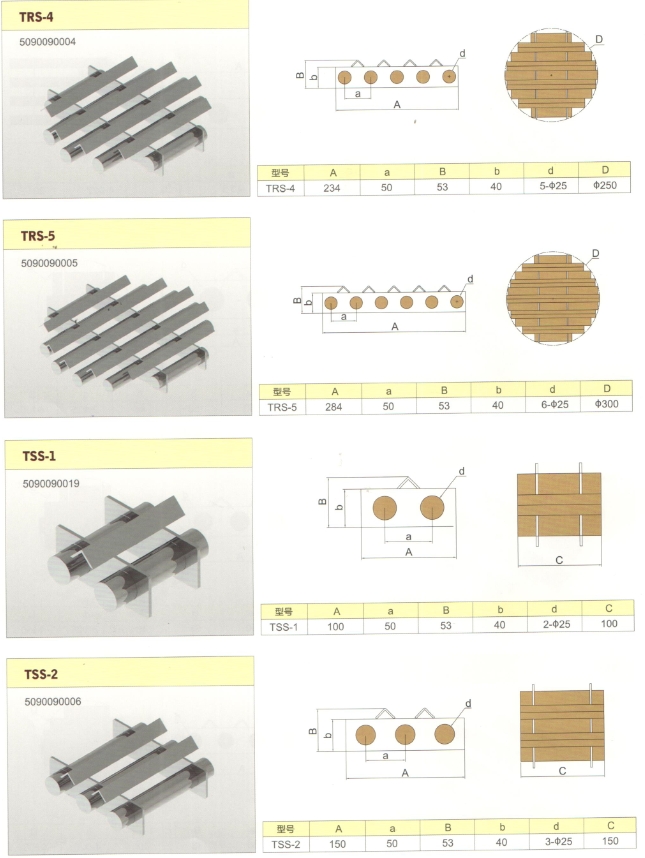
- Standard design with durable stainless steel frame and 25mm diameter high-performance magnetic bars
- Mirror-polished surface fully meets food and pharmaceutical industry sanitation standards
- Wide operating temperature range from 0℃ to 350℃, adaptable to various industrial working environments
- Supports Normal (N) and Easy-cleaning (E) styles, with optional angle baffles and support rods for customized use
- Stable 4000GS magnetic strength for reliable ferrous contamination removal in hopper applications
Product Specifications
| Product Name | 4000GS Hopper Grid Magnet |
| Magnet Material | NdFeB Magnet / Ferrite Magnet / SmCo Magnet |
| Surface Treatment | Sandblasting / Polishing |
| Protective Coating | Teflon, Tungsten Carbide |
| Food Grade Welding | Available |
| Working Temperature | 0 - 350℃ |
| Housing Material | SS304 / SS316 Stainless Steel |
| Magnetic Strength | 4000GS (Customizable 2500-13000GS) |
| Monthly Output | 10,000 PCS |
| MOQ | 1 PC |
| Loading Port | Ningbo Port, China |
| Packaging | Wood Case / Carton Box |
| Lead Time | 20 Days |
Applications
Our 4000GS Hopper Grid Magnet is specially designed for hopper-mounted magnetic separation. It is the ideal solution for plastic granules, food grains, powder, and chemical raw materials. As a core component of magnetic separators, it effectively prevents iron impurities from damaging downstream equipment and improves the quality of end products.